

Help
Which Weedkiller Do I Need?
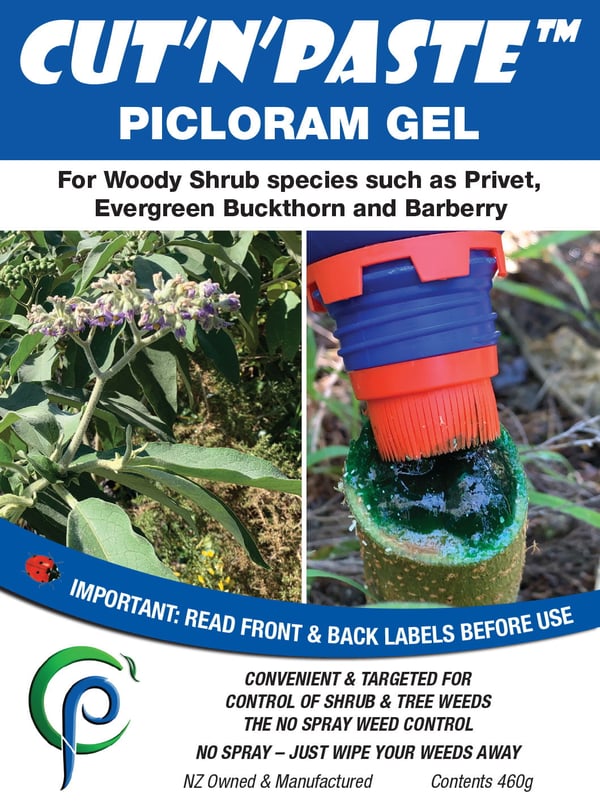
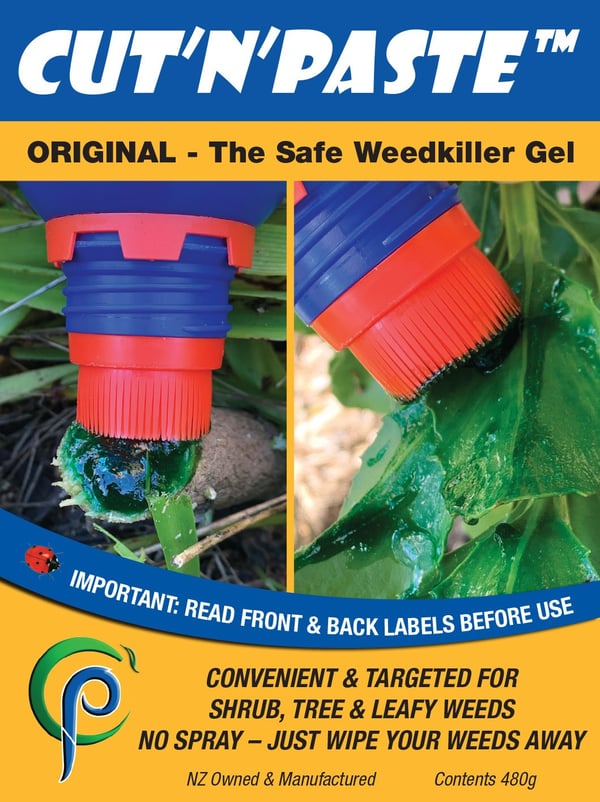
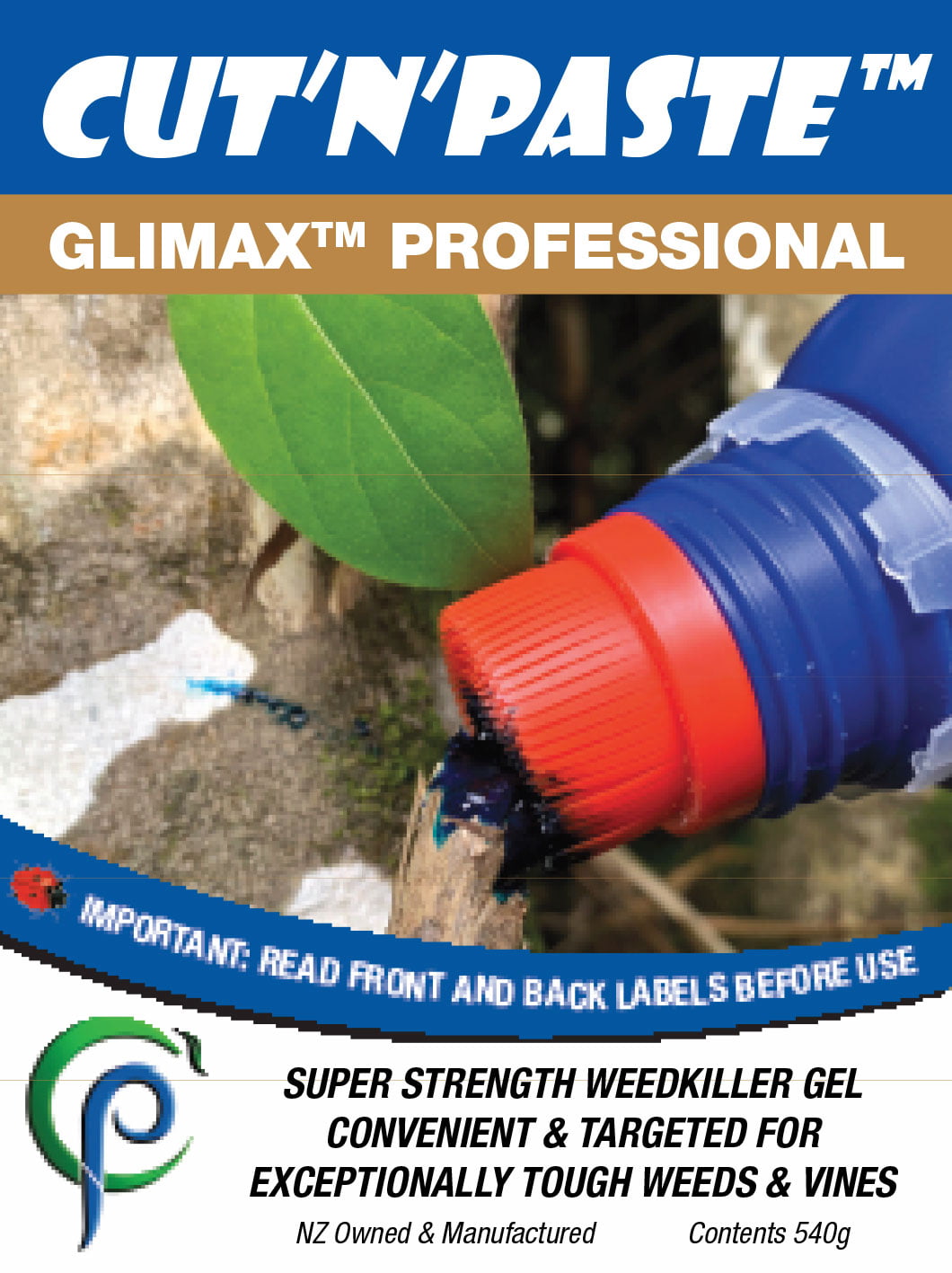
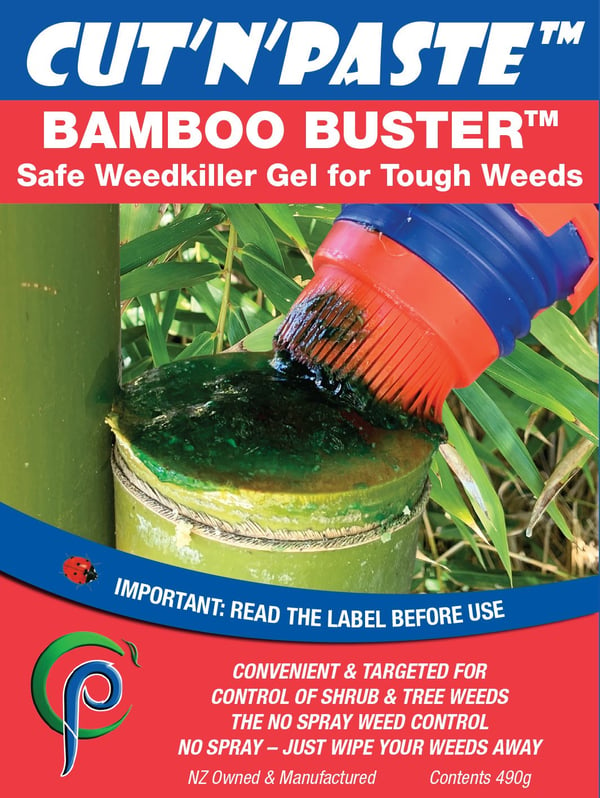

Do you need help with choosing the right Weedkiller?
Help choosing the right cut-and-paste weedkiller involves considering several factors to ensure it effectively targets the weeds you want to eliminate while being safe for the surrounding environment. Here are some key considerations to help you make an informed decision:
1. Type of Weeds
- Identify the Weeds: Different weedkillers are formulated to target specific types of weeds. Identify whether you are dealing with broadleaf weeds, grasses, woody plants, or invasive species – have a look at our Weed Directory to get an idea of what we might recommend to help you.
- Targeted Formulas: Choose a weedkiller specifically designed to tackle the type of weeds you need to remove.
2. Active Ingredients
- Common Ingredients: Look for active ingredients such as glyphosate, metsulfuron or picloram. These are common in many effective weedkillers.
- Selectivity: Some active ingredients are non-selective (kill all vegetation) while others are selective (target specific plants). Ensure you choose the right one based on your needs.
3. Application Method
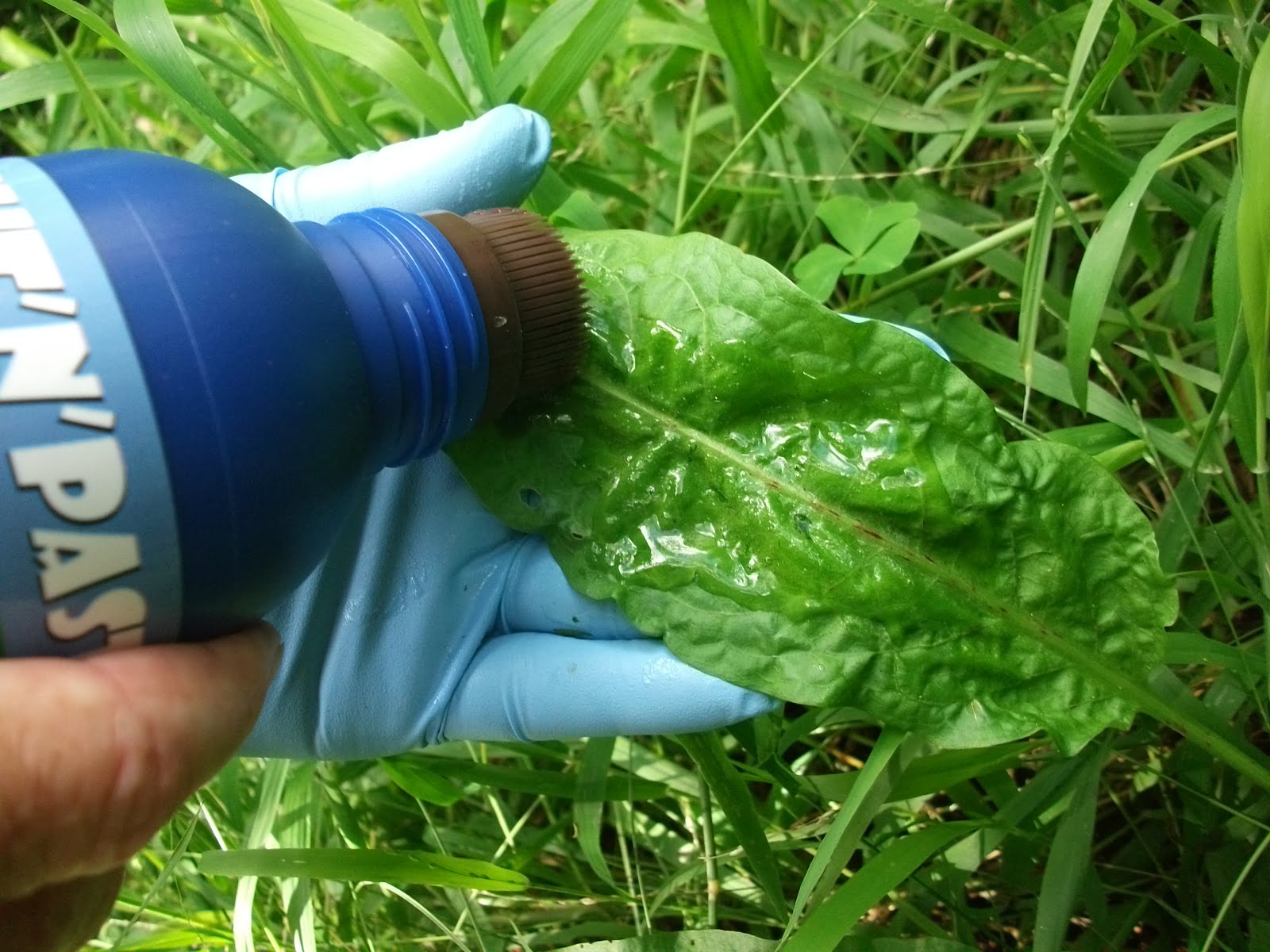
- Cut and Paste: This method involves cutting the weed and applying the herbicide directly to the cut surface. It is particularly useful for woody weeds and invasive species.
- Ease of Application: Ensure the product comes with an easy-to-use applicator that allows precise application to the cut surfaces.
4. Environmental Considerations
- Eco-Friendly Options: Some weedkillers are designed to be environmentally friendly, causing minimal harm to non-target plants, wildlife, and water sources.
- Residue and Runoff: Check if the product leaves residues that could affect nearby plants or if it’s prone to runoff during rain.
5. Safety
- Human and Pet Safety: Ensure the product is safe to use around humans and pets. Look for products with low toxicity and follow all safety instructions.
- Protective Gear: Determine if you need special protective gear when applying the weedkiller.
6. Effectiveness and Reviews
- User Reviews: Check online reviews and ratings to see how effective the product has been for other users.
- Recommendations: Ask for recommendations from gardening centers, local nurseries, or agricultural extensions.
7. Regulations and Availability
- Local Regulations: Ensure the weedkiller is approved for use in your region and complies with local environmental regulations.
- Availability: Check if the product is readily available at your local gardening store or online.
Our Products
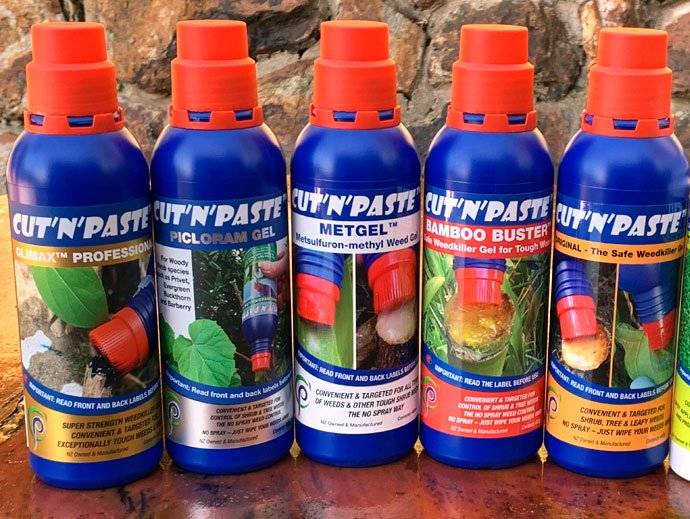
- Glyphosate-Based Products: These are non-selective and effective for a wide range of weeds. They are typically used for persistent weeds and are applied to the cut surface of the plant.
- Picloram-Based Products: These are selective and particularly effective against woody plants and broadleaf weeds. They are less harmful to grasses but are ground residual.
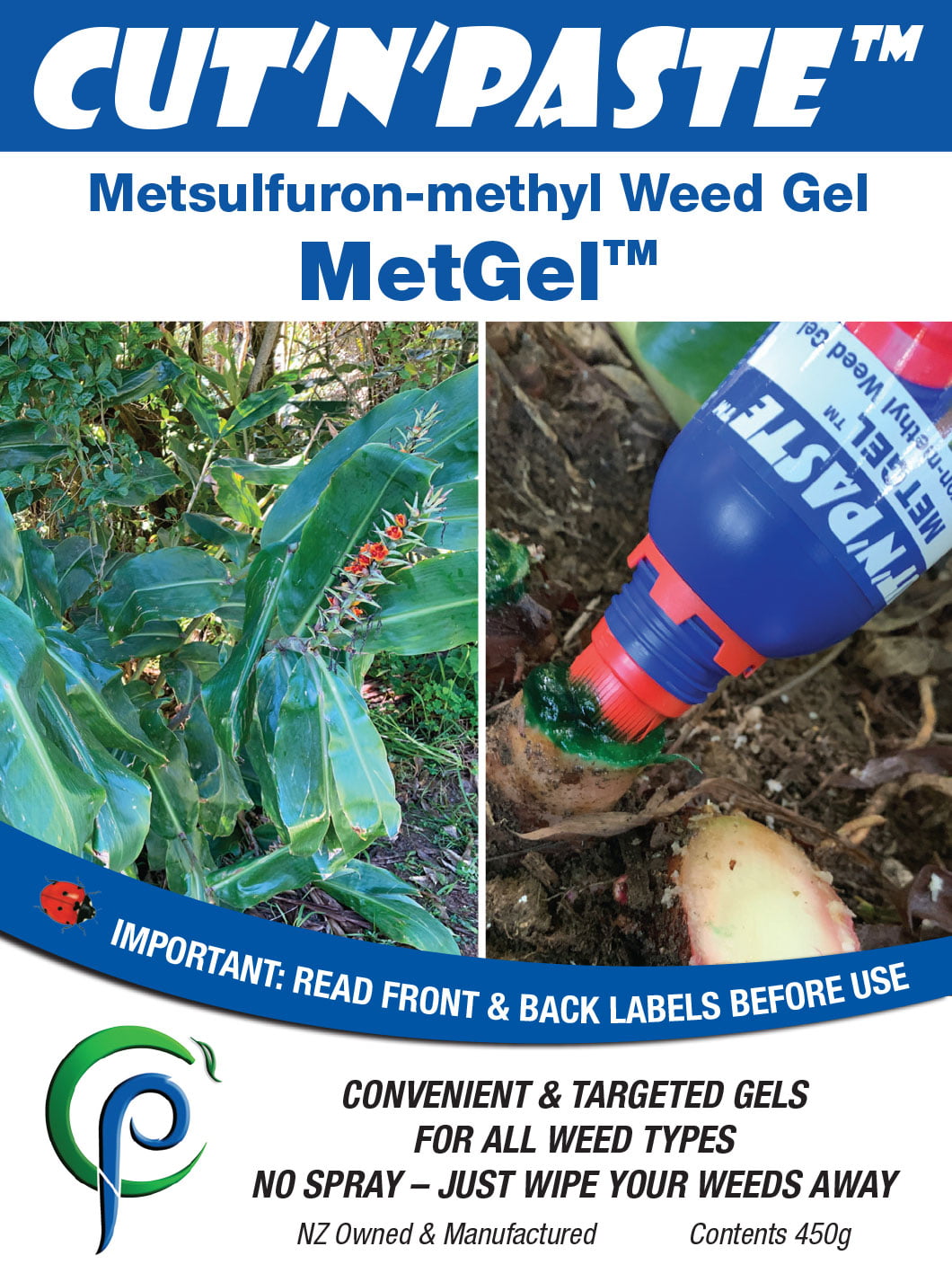
- Metsulfuron-Based Products: There are selective and particularly effective against weeds with rhizomes and bulbs, like ginger and arum Lillies.
Conclusion
Help choosing the right weedkiller involves understanding the specific weeds you’re dealing with, considering environmental and safety factors, and ensuring the product is effective and easy to apply. By taking these factors into account, you can select a weedkiller that will effectively manage your weed problem while minimizing any negative impact on your surroundings.