Moth Plant Competition – Winners Announced :: Find Out


Chinese Privet & Tree Privet
Home » Help » Weed Directory
Remove Invasive Tree & Chinese Privet Permanently
Chinese Privet & Tree Privet are exceptionally tough invaders. Both species produce vast quantities of highly viable seeds packed inside bird-dispersed berries. They form dense, tall stands and show extreme tolerance to almost any environmental condition: Luckily they can both be killed with Cut'n'Paste Weed Killer gels.
Both species are a major problem in NZ - having spread from innocent homeowner hedgerows to become shade-casting thickets that choke out native understorey regeneration, preventing young native seedlings from taking hold. They thrive in open ground and along edges where soil life is lacking. Beyond their environmental damage, Privet is notorious for producing massive sprays of heavily scented, white flower clusters through spring and summer. The pungent perfume and airborne pollen are well-known triggers for asthma, hay fever, and severe seasonal allergies for thousands of Kiwis.
Two tough woody weeds that require care and attention to detail to kill. But they follow a similar pattern in their weediness and the methodology for controlling and killing them is also similar: Cut'n'Paste Weed Gels.
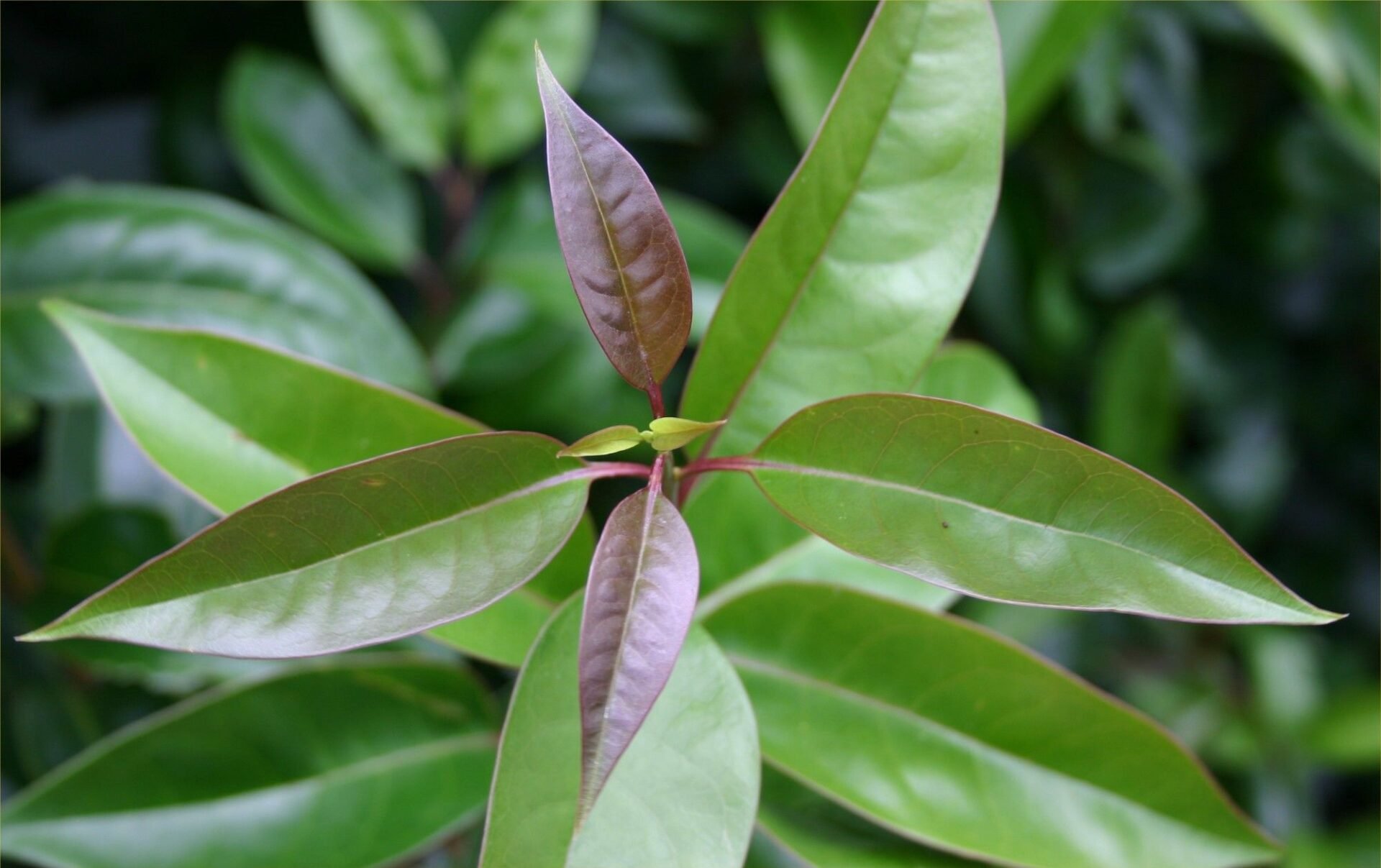
Chinese Privet & Tree Privet are easily identified by it’s clusters of small white flowers in early to late spring and it’s attractive small dark green leaves. While both species share similar flowers, fruit, and control methods, you can easily tell them apart by their size, leaves, and lifespan:
Chinese Privet (Ligustrum sinense): Grows as a multi-stemmed, semi-evergreen shrub or small tree up to 5 metres tall. It has small, dull green, soft leaves (2–5cm long) with slightly wavy edges and fine hairs on the midrib. Although shorter-lived than Tree Privet, stands are continuously replaced as young plants quickly shoot up underneath.
Tree Privet (Ligustrum lucidum): A fast-growing, remarkably long-lived canopy tree (100+ years) growing up to 15 metres tall. It has much larger, dark green, glossy, leathery leaves (5–13cm long) with prominent vein networks.
The Flowers: Both produce dense, spraying clusters of tiny, white tubular flowers from spring to summer with a heavy, sickly-sweet perfume.
The Berries: Both produce heavy clusters of round berries (approx. 6mm across) that turn from green to hard, dull purplish-black during autumn and winter.
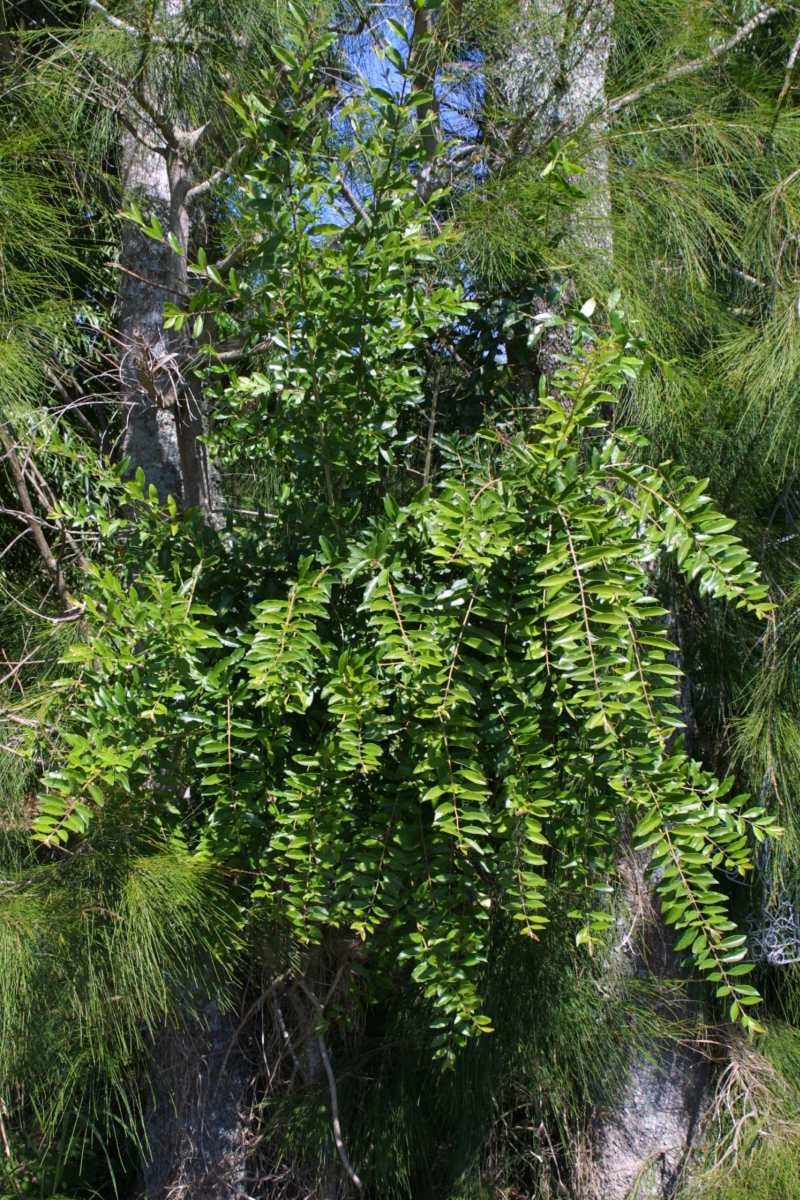
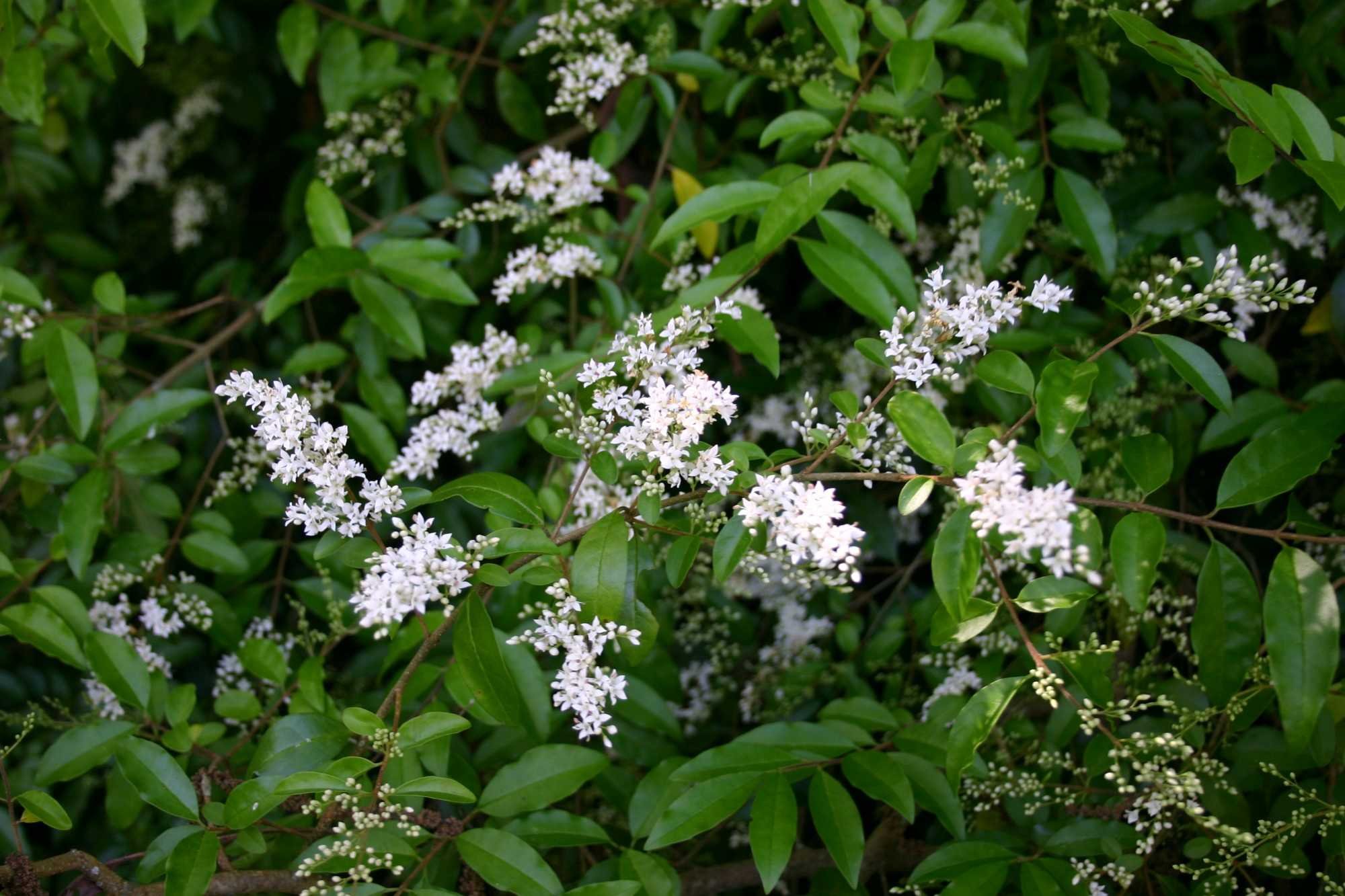
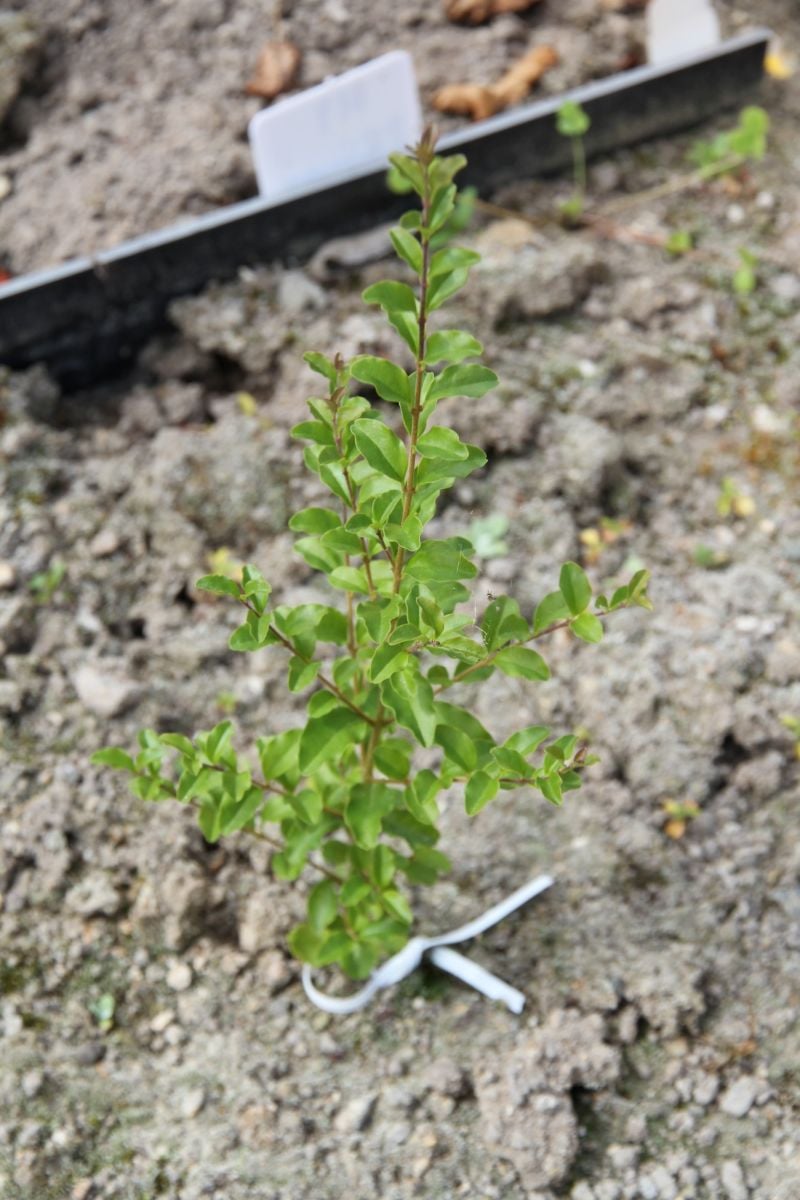
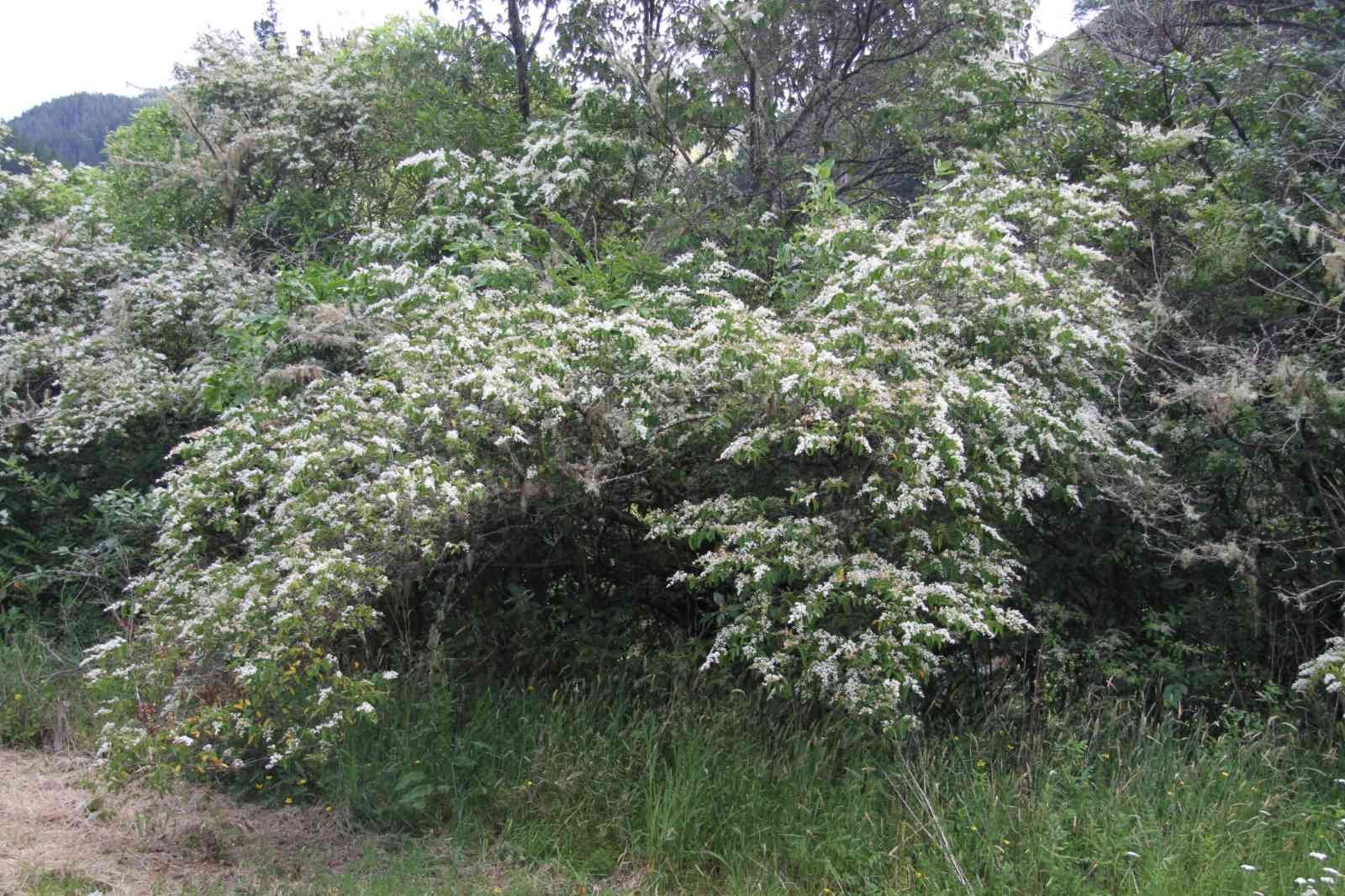
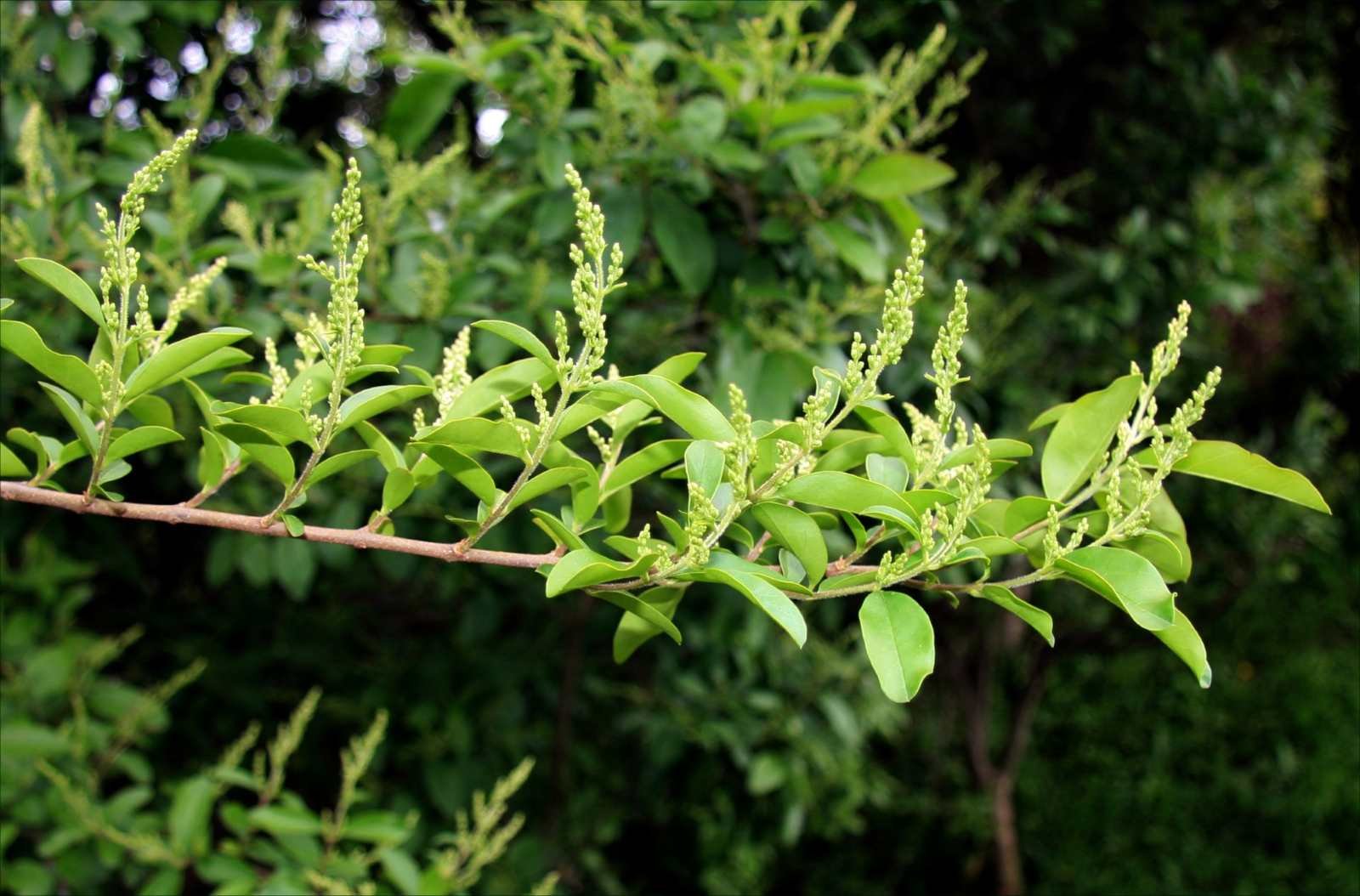
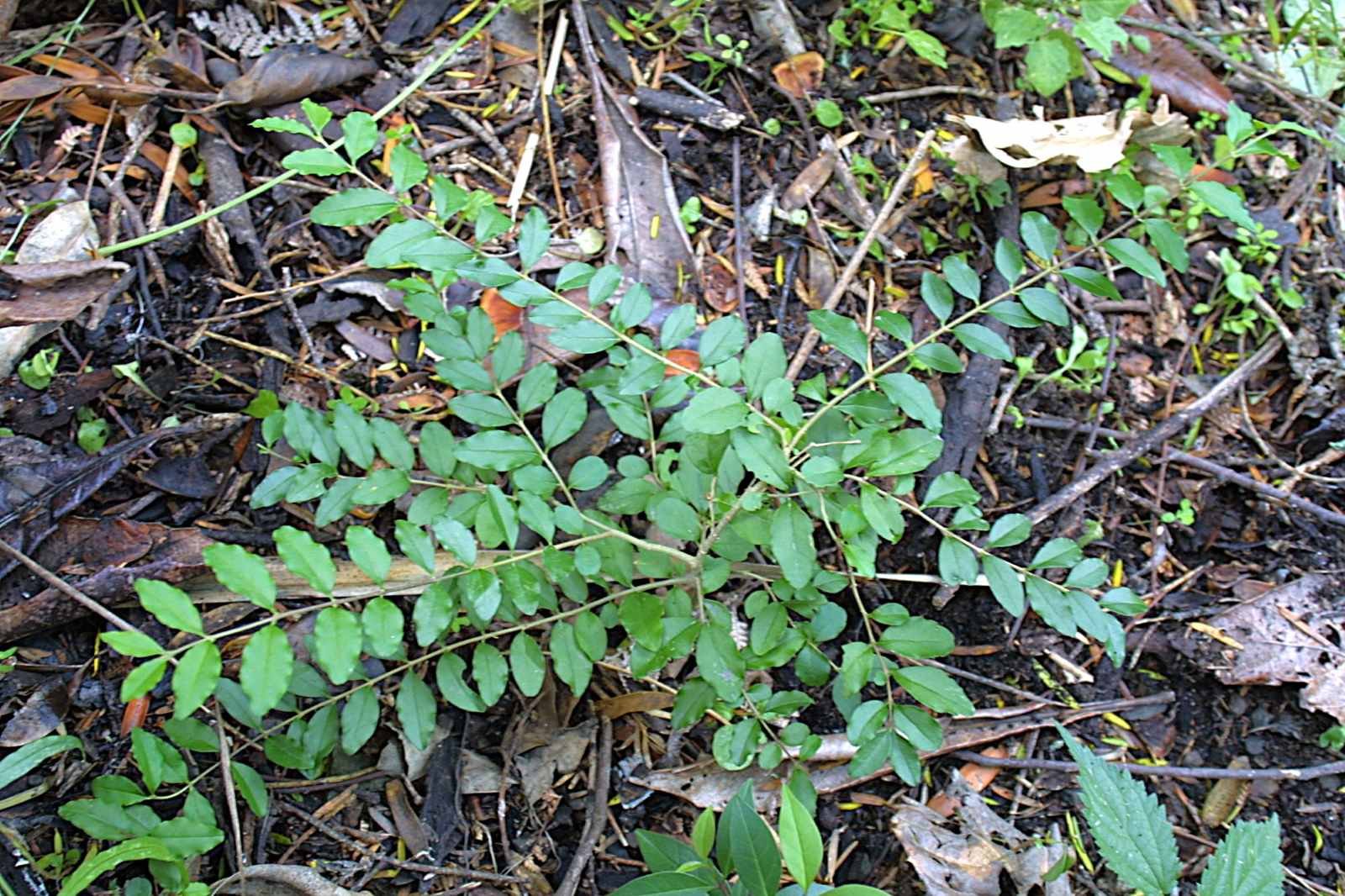
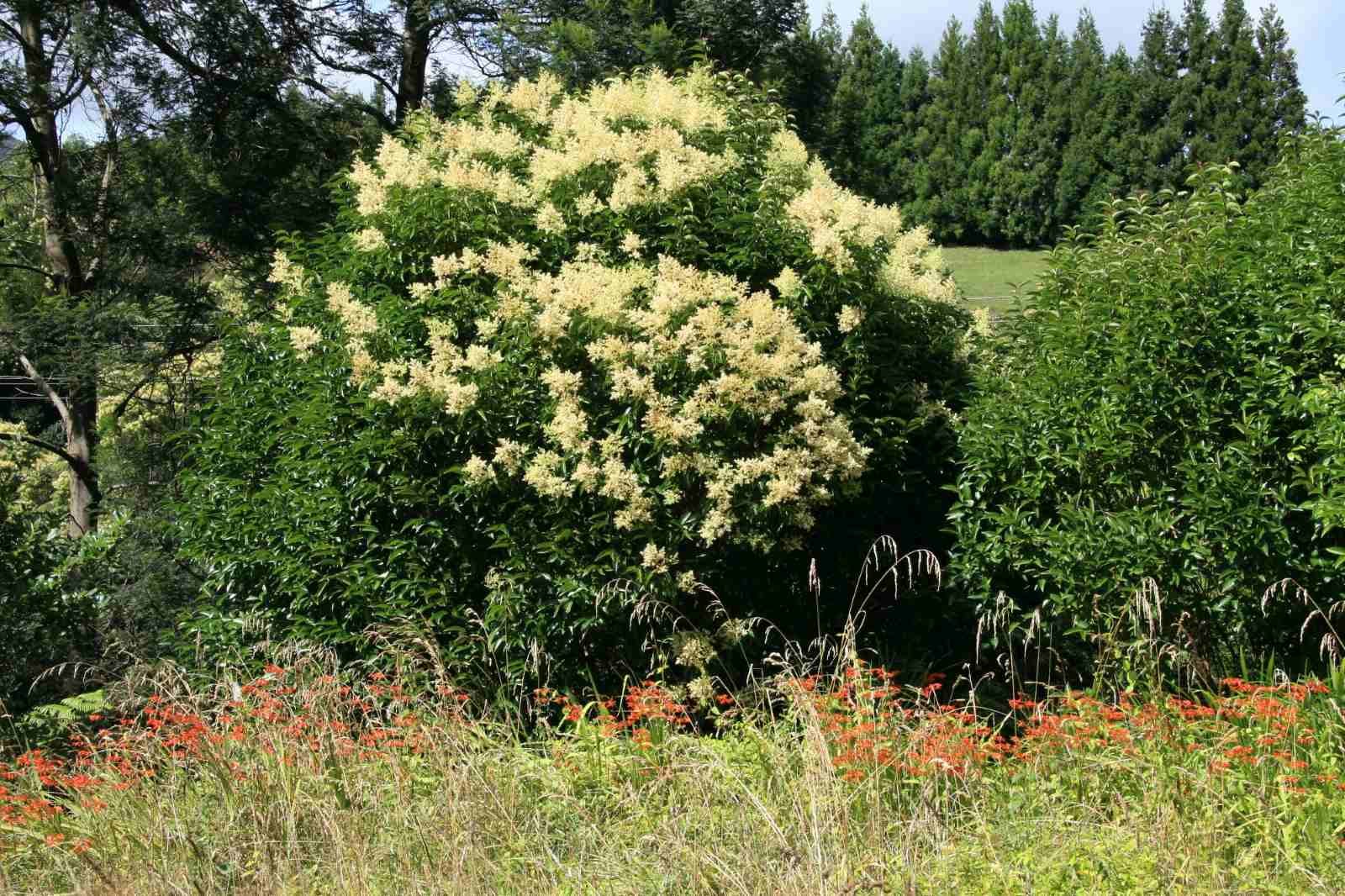
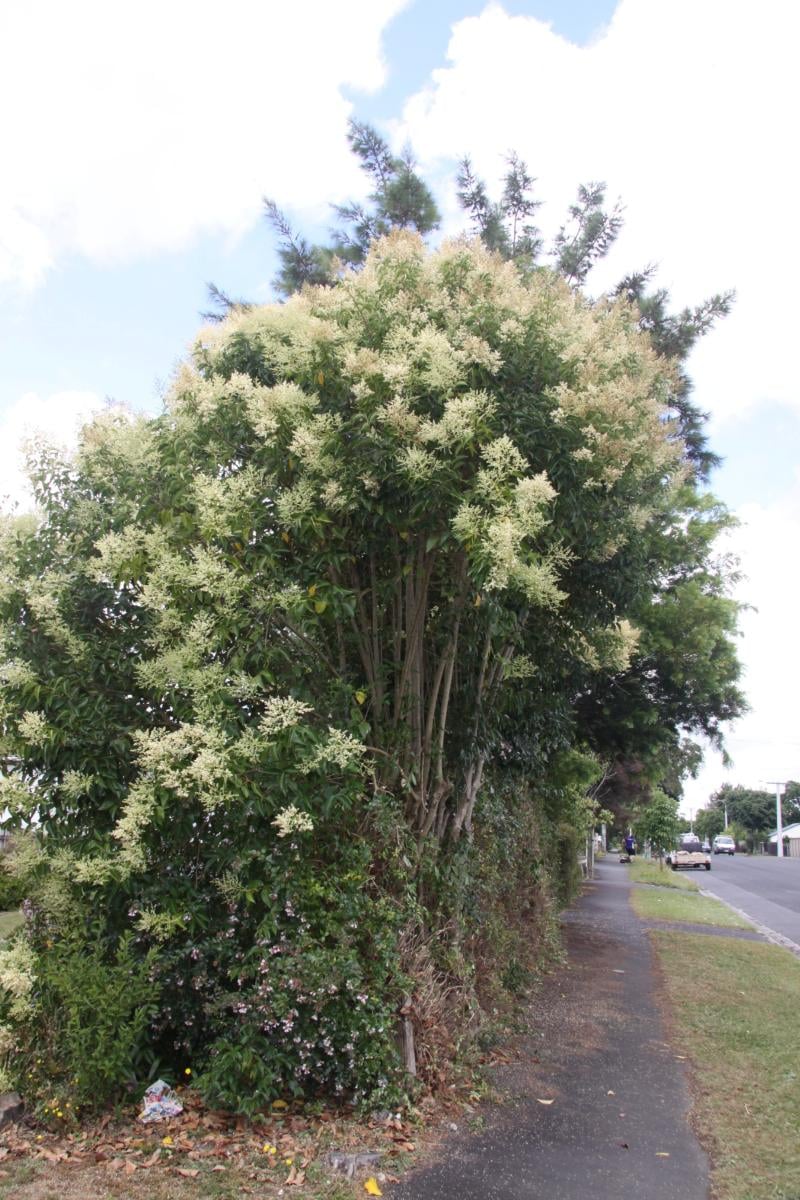
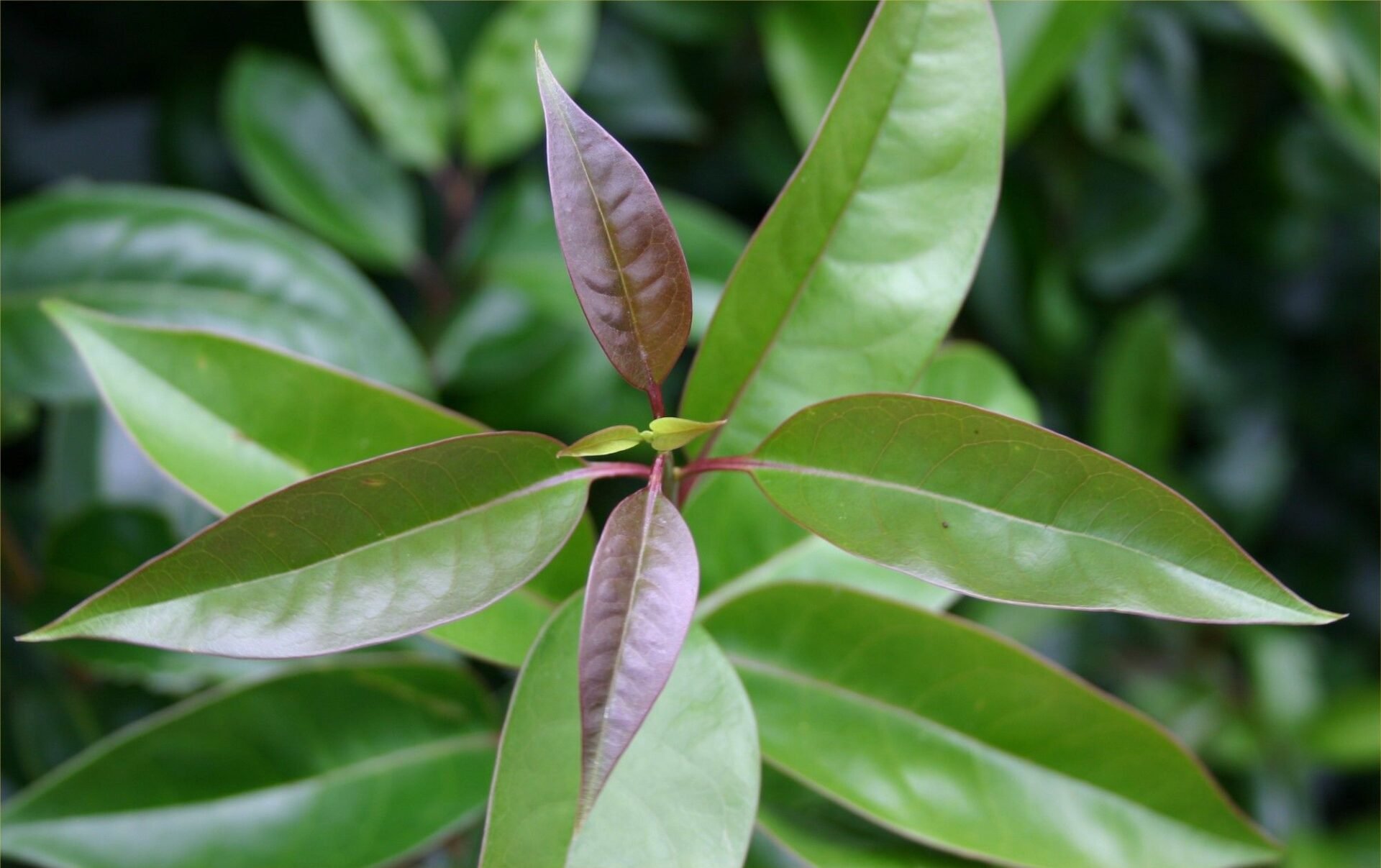
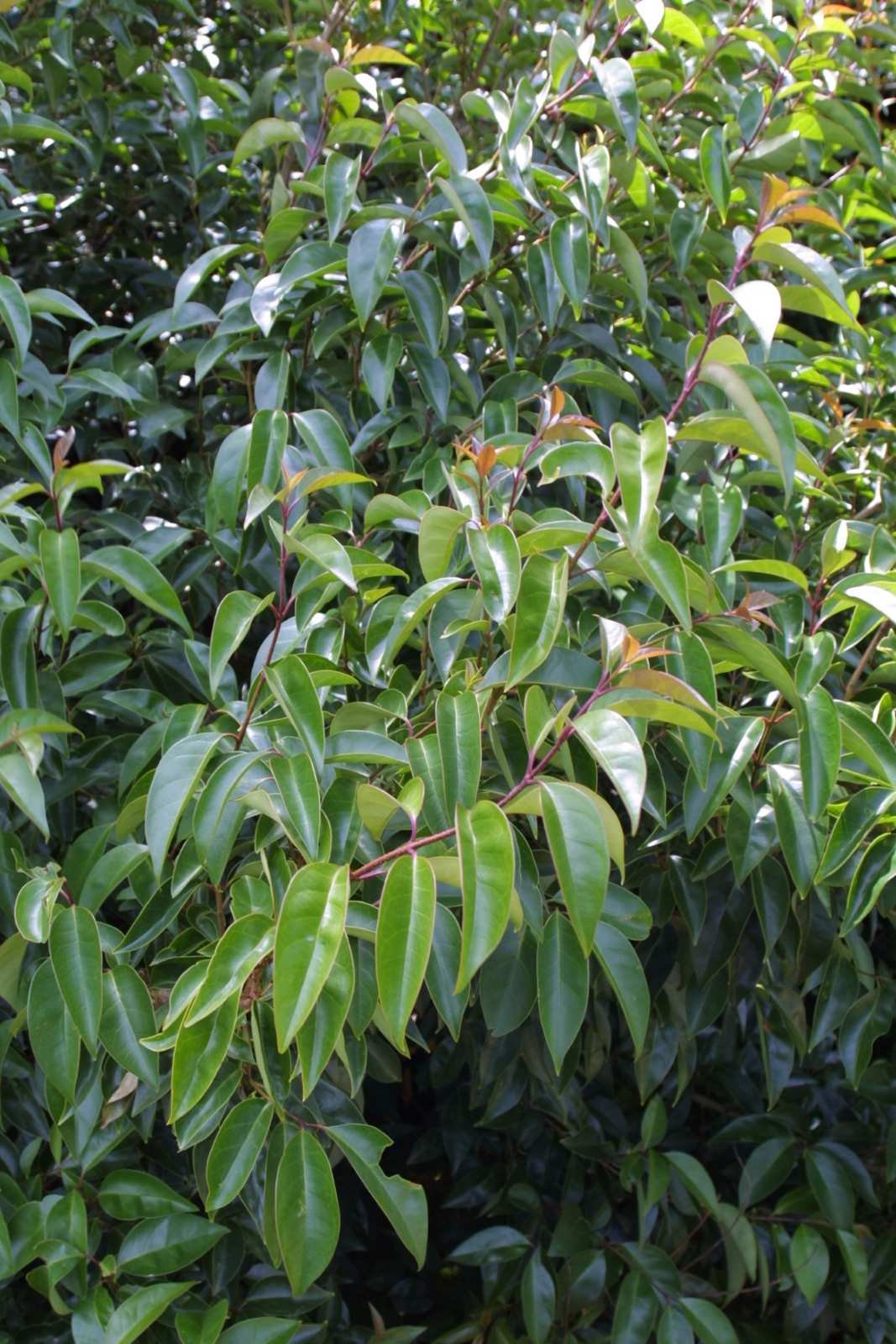
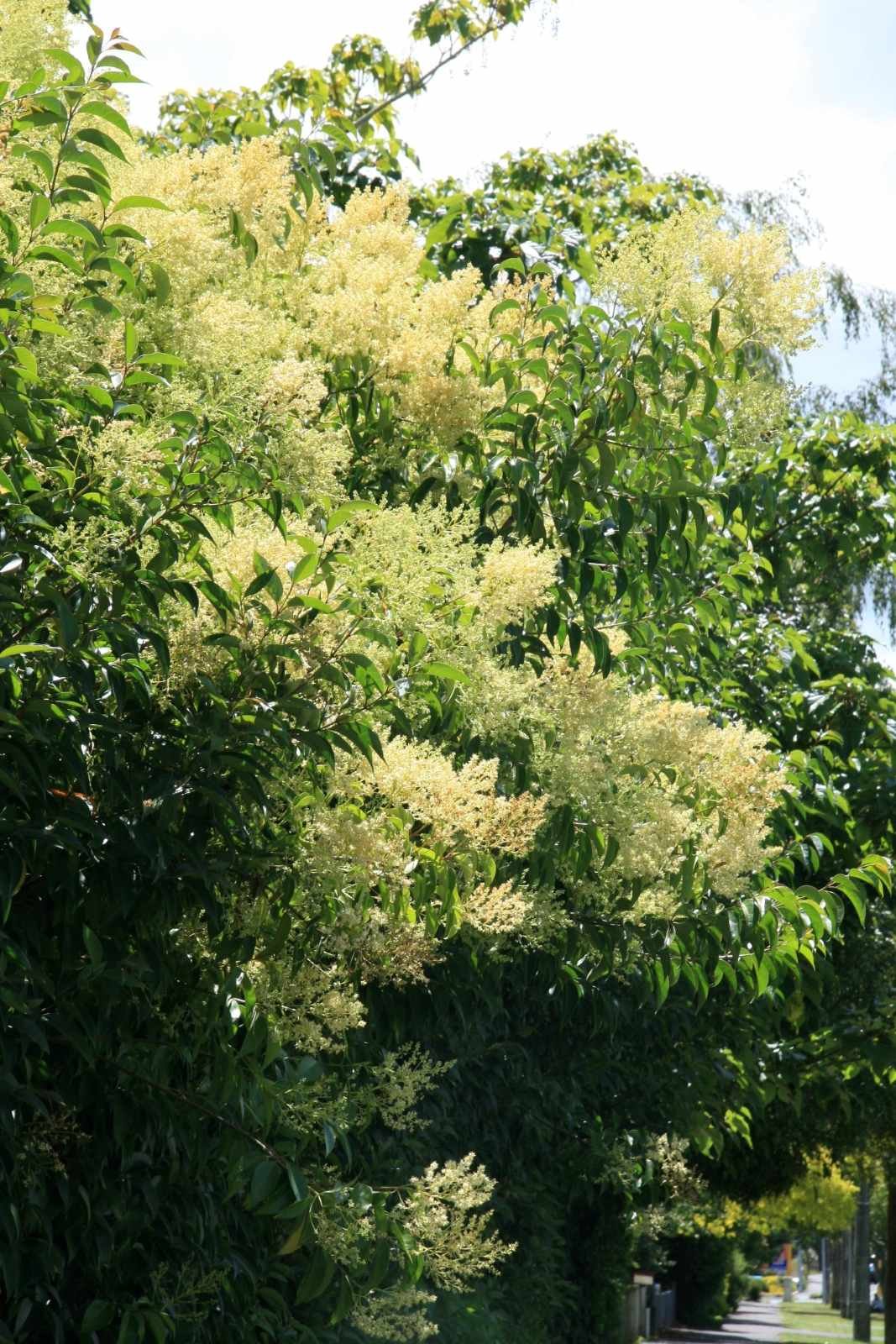
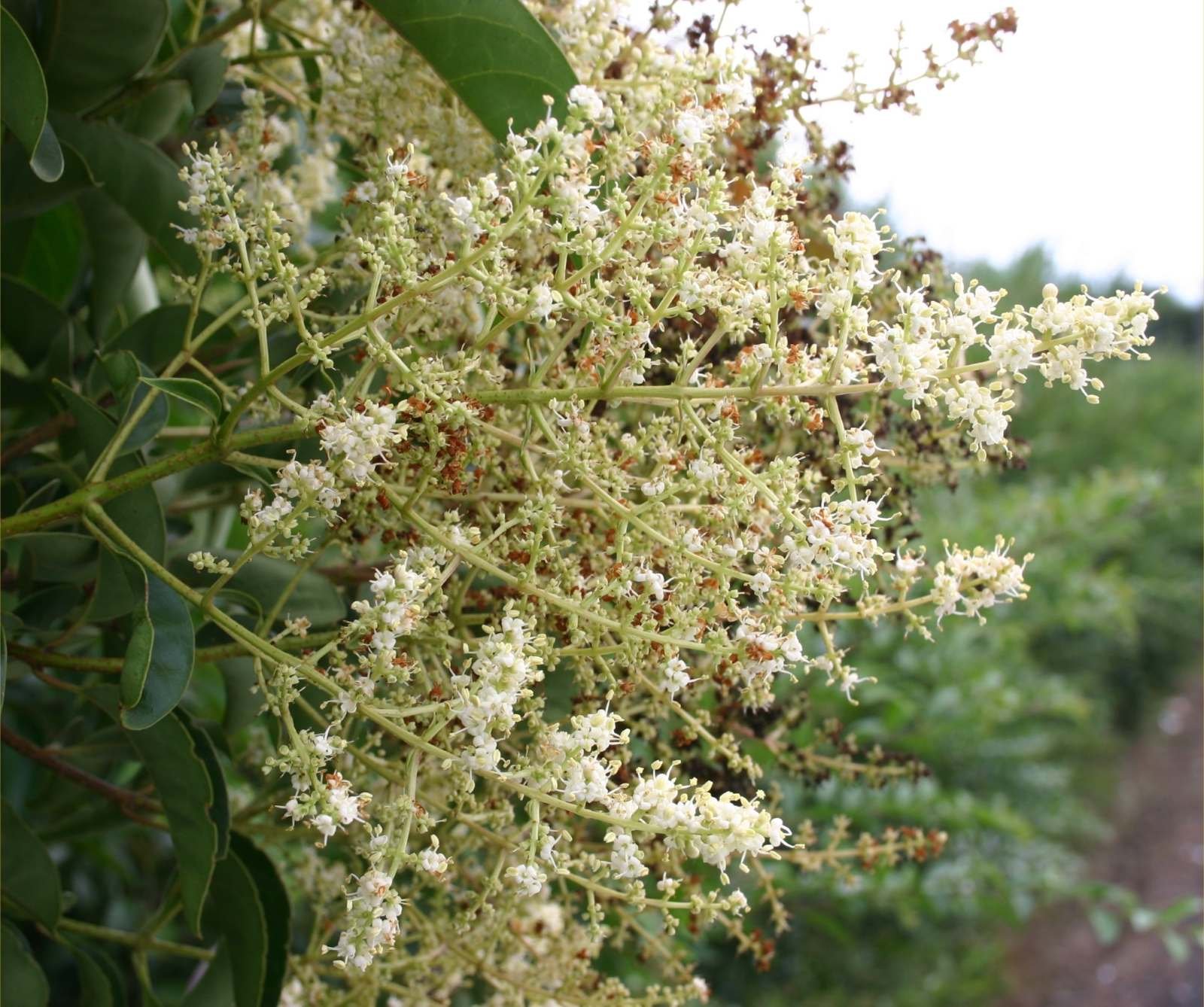
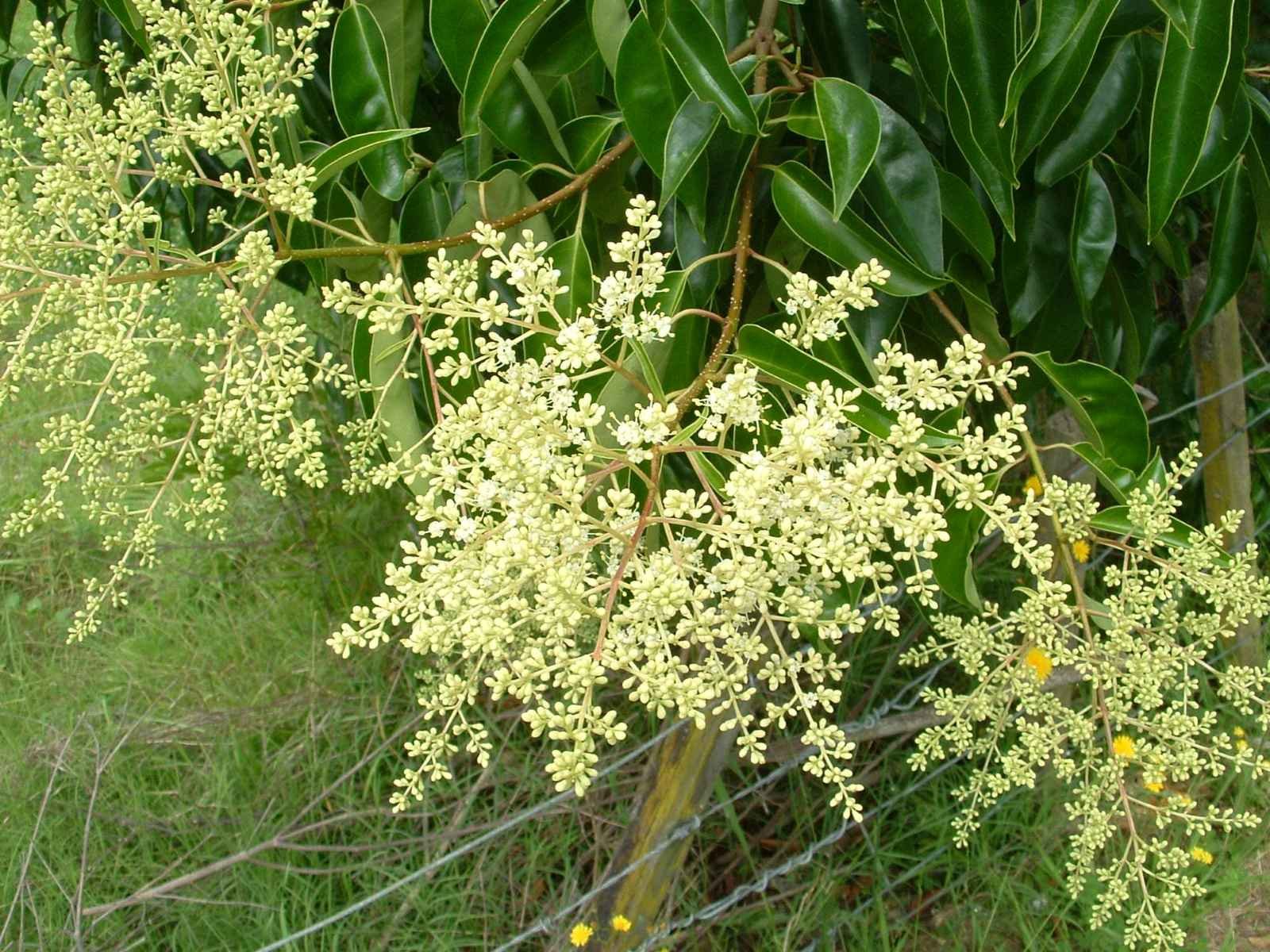
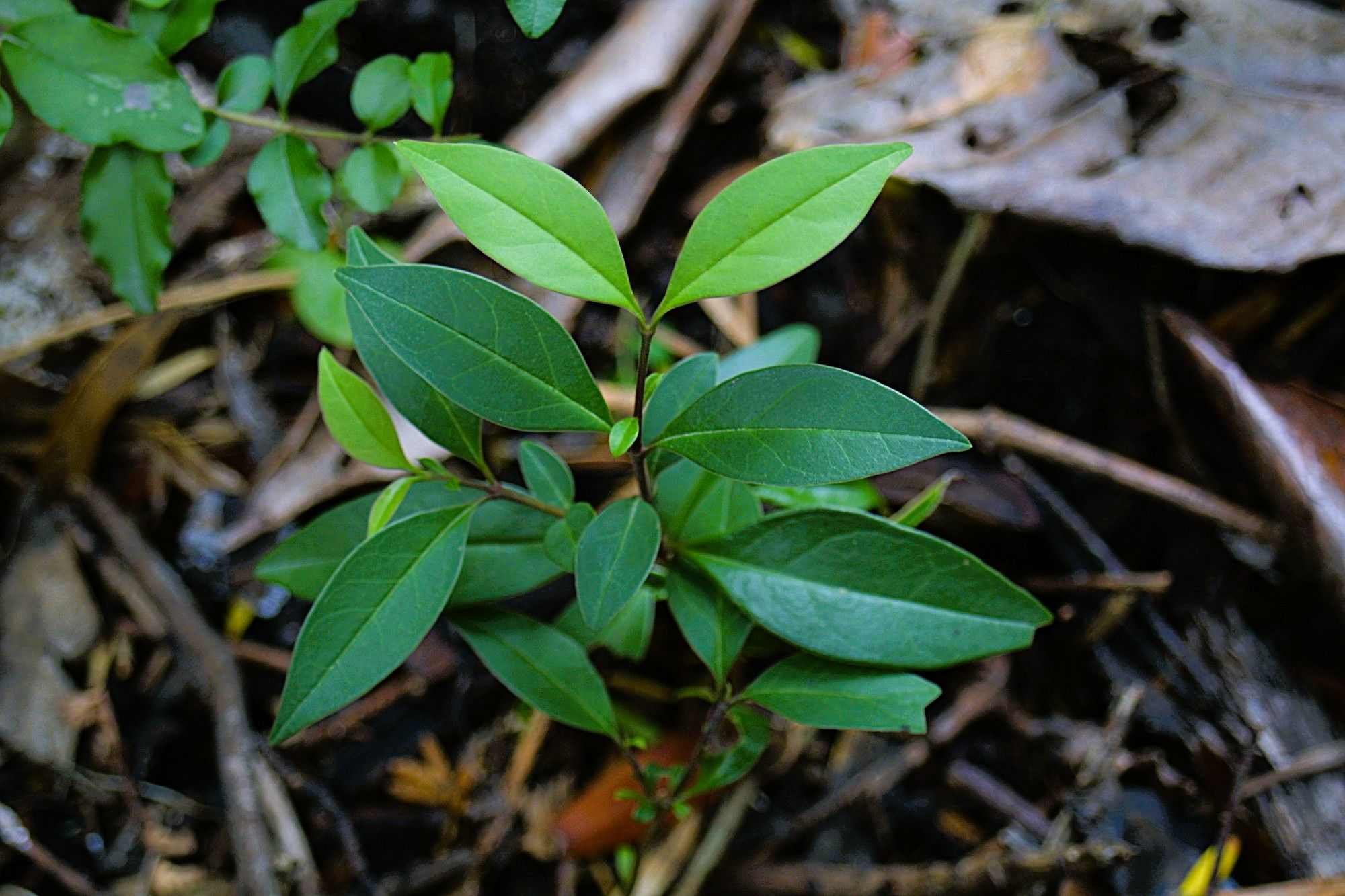
Photos courtesy of @ Trevor James
To see even more detailed descriptions from NZ Plant Conservation Network, visit this link.
Because Privet possesses exceptional vigour and readily produces dense multi-stemmed regrowth from cut stumps, simply cutting the plant down will not kill it – the root system will quickly trigger aggressive multi-stemmed regrowth. They are almost impossible to dig out too. To eradicate it permanently, you must treat the base vascular tissue immediately using the cut-and-paste method.
Method 1: The Level Base Cut (Best for Shrubs and Small Stumps)
The Cut: Using a pruning saw, loppers, or a chainsaw for larger trunks, cut every stem completely through, level and horizontal, about 5cm to 10cm from the ground. Keep the cut flat, so the herbicide gel sits on the wood without running off.
Paste Immediately: Within 15 seconds of making your cut, apply a thick, 3-5mm layer of gel across the entire raw surface of the freshly cut stump before the cells seal up.
Method 2: Drill and Inject or Stem-Frilling (Best for Large Tree Privet) For mature Tree Privet where felling is impractical, use an axe or chisel to make downward cuts (frills) into the trunk right around the circumference, or using a 10-10mm drill, drill downward holes every 10cm around the trunk base. Squeeze cut’n’paste herbicide gel generously into the fresh frills or drill holes to kill the standing tree.
Recommended Products for Privet
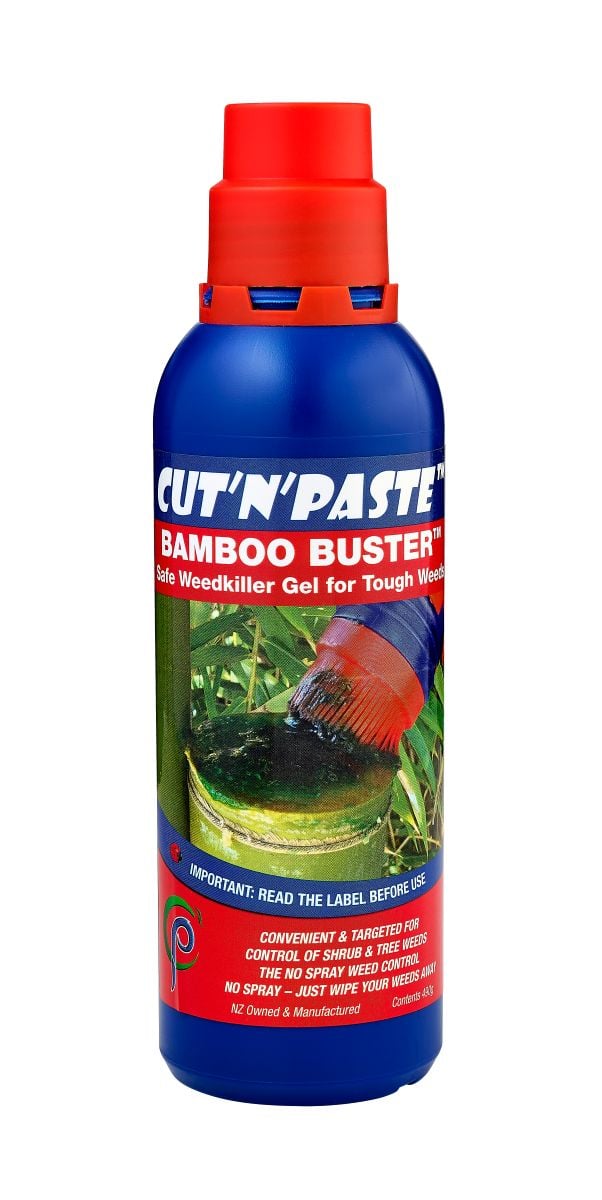
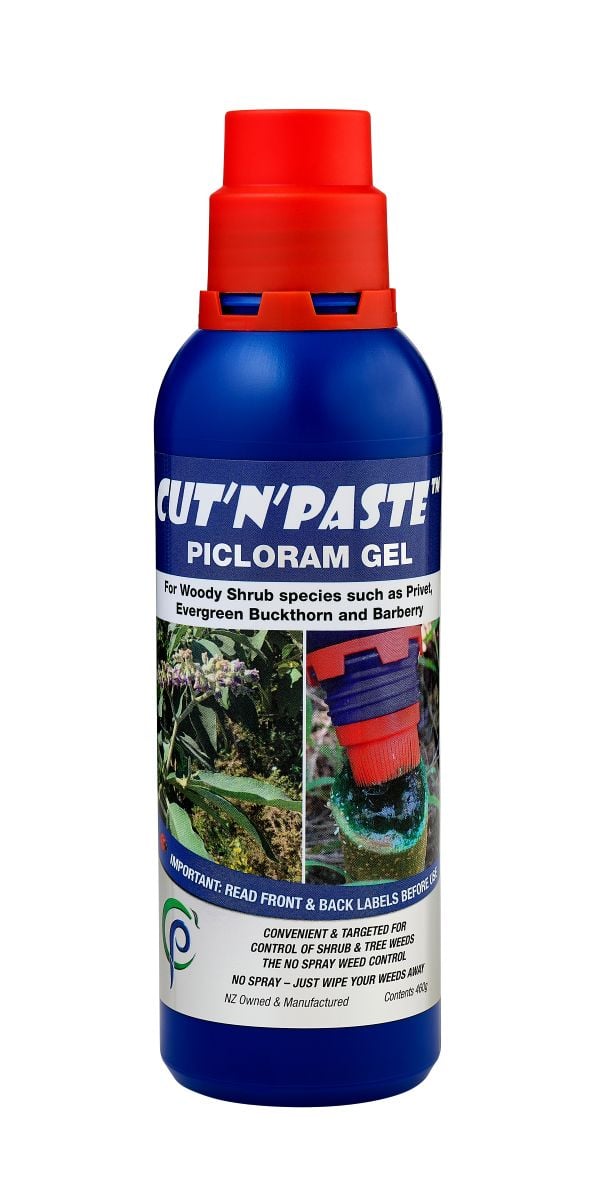
Our double strength Glyphosate based Bamboo Buster Weed Gel is the preferred gel, but our triple strength Glimax Professional will also be effective. Picloram Weed Gel is also very effective, but it’s ground residual and can spread through soil to affect other nearby plants – so must be used with care near any plants you value.
Option 1: Glyphosate-Based Gels – Cut ‘N’ Paste Bamboo Buster or Glimax Professional –
If Privet is growing alongside prized garden plants, native species, or inside delicate forest margins the glyphosate gels are safest.Precision Kill: Glyphosate targets the specific root system of the pasted stump and breaks down cleanly in the soil with zero soil residual movement.
No Risk to Neighbours: Surrounding trees and shrubs are kept completely safe from root-absorption toxicity. (Do not apply directly next to open waterways or active wetlands).
Option 2: Picloram Weed Gel (Maximum strength for isolated patches) If you are tackling heavy, isolated Privet thickets in open areas, paddocks, or fence lines where there are no broadleaf plants nearby that you are worried about, choose Picloram or Picloram Plus+ Weed Gel.
Dual-Action Penetration: Combines Picloram and Aminopyralid to drive deep into stubborn Privet root systems and prevent stump resprouting.
Soil Residual Defense: Stays active in the immediate soil zone to stop hidden lateral roots from pushing up fresh suckers.
Paste the stump ASAP after cutting with a 3mm layer of Bamboo Buster Weed Gel or Glimax. Where there are exposed roots, scarf the bark and treat the exposed wood with gel. It pays to apply some gels to the edges the stump too around the exposed edge of the bark. This area has most phloem tissue that takes sap down into the roots.
Important Notes:
- ⚠️MetGel & Picloram Safety Warning: Both MetGel (metsulfuron) and Picloram have significantly more residual soil activity than the glyphosate gels, and can move through ground moisture — metsulfuron’s soil half-life is roughly 5–63 days, picloram’s is 1–3 months. Do not use either near desirable non-target plants, within the root zone of prized trees, or around waterways and wetlands.
- When using MetGel or Picloram, never apply it inside the drip line (canopy edge) of prized trees or broadleaf garden plants. On flat ground, keep a 3 to 5-metre safety buffer. On sloping ground where the weed is uphill from desirable species, extend that buffer to 5 to 10 metres to account for soil water movement during heavy rain.
- If working near waterways, wetlands, or prized native root zones, use Cut ‘n’ Paste double-strength Bamboo Buster or Glimax Professional – both glyphosate formulas seal the stump and prevents any lower foliage from keeping the root system alive.
- Safety First: Wear gloves and protective clothing and observe all safety protocols, especially when using machinery, chainsaws and other tools.
- When using any herbicide ensure you READ THE LABEL THOROUGHLY, follow all instructions and directions for the purchase, use and storage of the product.
Privet is treated in the same way as cotoneaster and many other highly coppicing shrubby trees.
Bird Distribution: Birds devour the dark berries in winter and drop the seeds across massive distances, establishing new plants under roosting trees, powerlines, and native canopy edges.
Managing the Seedbank: Removing a mature Privet tree allows sunlight to reach the forest floor, triggering thousands of dormant seeds to germinate. Revisit the site every few months—small seedlings under 10cm are very easy to pull out by hand (especially when the soil is damp), saving you time and effort later.
Safe Disposal: Do not leave cut Privet branches with ripe berries touching damp ground. Clip off berry heads, seal them in plastic bags, and dispose of them at a refuse transfer station to keep the seed bank contained.